Pennsylvania Businesses Face October Deadline for Skill Game Machine Removals
Written by Clara Richter · Sep 14, 2026

Pennsylvania Businesses Face October Deadline for Skill Game Machine Removals
Businesses across Pennsylvania must physically remove skill game machines before enforcement begins on October 14, and Pennsylvania State Police have issued clear directives on compliance, while the June 15, 2026 Pennsylvania Supreme Court ruling classified those devices as slot machines under state law. Operators without proper licensing from the Pennsylvania Gaming Control Board face risks that include seizure, forfeiture, and potential criminal charges as the deadline draws near in September 2026.
The directive comes amid ongoing legislative debates over how to regulate or tax an estimated 70,000 machines operating statewide, with lawmakers racing to address the issue before enforcement ramps up. Those who have followed the case note that the Supreme Court decision shifted the legal landscape, forcing establishments to act quickly or risk penalties.
Court Ruling Sets the Stage
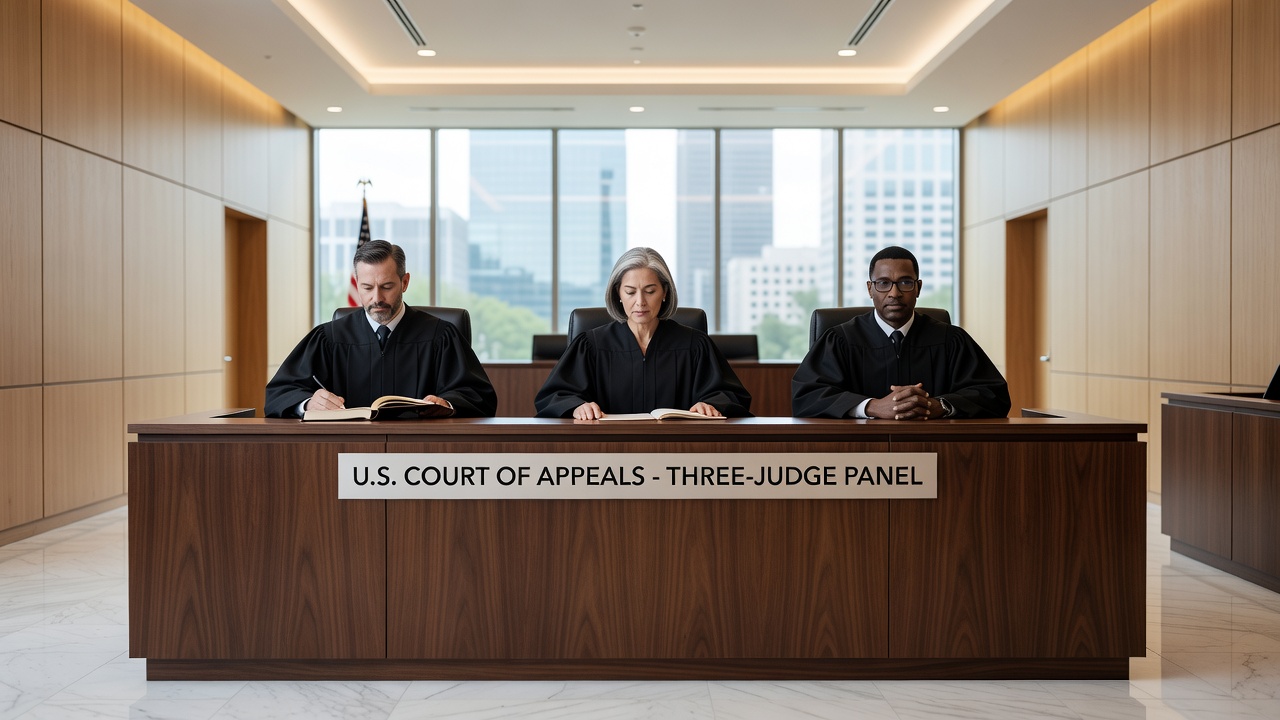
The Pennsylvania Supreme Court issued its ruling on June 15, 2026, and that decision directly classified skill game machines as slot machines, which triggered the current enforcement timeline. Businesses received reminders from state authorities shortly afterward, and the Pennsylvania State Police guidance emphasizes that removal must occur before October 14 to avoid action. Data from regulatory tracking shows the machines had operated in a gray area for years, yet the court decision eliminated that ambiguity for operators and owners alike.
Establishments that continue to host unlicensed devices after the deadline expose themselves to forfeiture proceedings, and the Pennsylvania Gaming Control Board holds authority to seize equipment that violates state gaming statutes. Observers note that the ruling applies uniformly, which means every business with these machines must either obtain proper licensing or remove them entirely before enforcement officers begin inspections.
Enforcement Timeline and Requirements
Pennsylvania State Police directed businesses to complete physical removal ahead of October 14, and compliance checks will begin immediately after that date, according to official reminders issued by the agency. Those reminders, available through state channels, outline the steps establishments must take, and they stress that unlicensed operation carries both civil and criminal consequences. The 70,000 machines estimated to be active statewide represent a significant enforcement challenge, yet authorities have signaled they will proceed methodically once the deadline passes.
Businesses that secure licenses through the Pennsylvania Gaming Control Board can continue operations under regulated conditions, whereas those without approval must clear the devices to stay within the law. Legislative sessions continue in September 2026, and proposals for taxation or broader regulation remain under discussion, which leaves some operators uncertain about future pathways even as the removal clock ticks down.
Legislative Context and Statewide Impact
Lawmakers face approaching deadlines to craft legislation that could address regulation or taxation of the machines, and the estimated 70,000 devices operating across the state create both revenue questions and enforcement priorities. The Supreme Court ruling from June 15, 2026, accelerated those conversations because it removed prior legal protections that some businesses had relied upon. Data collected by state agencies indicates the machines appear in various retail and hospitality settings, which broadens the scope of businesses that must now decide between licensing or removal.
Those who track gaming policy note that the Pennsylvania Gaming Control Board maintains the licensing framework, and any establishment seeking to keep machines operational must apply through that process before the October 14 enforcement window opens. Failure to act leaves operators exposed to the full range of penalties, including equipment seizure and potential criminal charges for unlicensed gaming activity.
Compliance Steps for Establishments
Businesses have begun reviewing their options in September 2026, and the Pennsylvania State Police guidance provides a clear path: remove the machines or obtain the required license. The directive specifies physical removal, which means devices cannot simply be relocated or covered, and inspectors will verify compliance during routine checks after the deadline. Establishments that act promptly reduce their exposure, while delays increase the chance of enforcement encounters once October 14 arrives.
The ruling and subsequent directives apply to every location hosting the machines, and the statewide total of approximately 70,000 units means coordination across multiple counties and municipalities. Pennsylvania Gaming Control Board licensing offers the only legal avenue for continued operation, and applications must meet all regulatory standards before approval.
Conclusion
The October 14 enforcement date now shapes decisions for businesses statewide, and the June 15, 2026 Supreme Court ruling continues to drive compliance efforts as legislative debates on the estimated 70,000 machines move forward. Pennsylvania State Police reminders, referenced through official state resources, underscore the requirement for physical removal or proper licensing ahead of inspections. Those facing the deadline must weigh their options through the Pennsylvania Gaming Control Board process, since unlicensed machines carry risks of seizure, forfeiture, and potential criminal charges once enforcement begins.