Seasonal Variations in Sports Wagering Activity and Their Effects on Odds Setting Mechanisms
Written by Otto Lange · Sep 28, 2026
Seasonal Variations in Sports Wagering Activity and Their Effects on Odds Setting Mechanisms
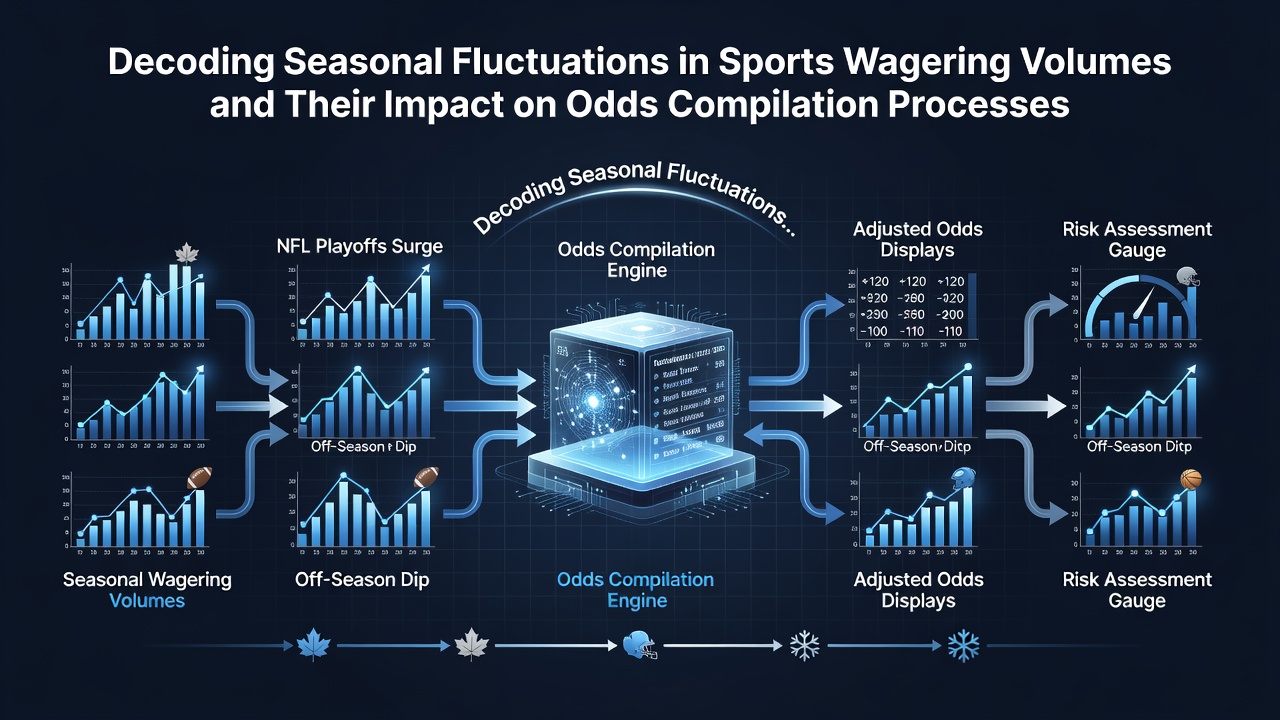
Seasonal patterns in sports wagering volumes emerge from the calendar of major athletic competitions, with betting activity rising sharply during peak periods such as the NFL regular season, NBA playoffs, and international soccer tournaments while contracting during summer months when fewer high-profile events occur. Observers note that these cycles influence how operators compile odds because increased transaction flows provide more data points for risk assessment and line adjustments.
According to figures compiled by the American Gaming Association, sports betting handles in regulated U.S. markets expand by 40 to 60 percent during September through January compared with April through August. This surge coincides with overlapping schedules in football, basketball, and hockey, creating concentrated liquidity that allows odds compilers to refine margins based on real-time market feedback rather than relying solely on historical models.
Volume Drivers Across Different Regions
Data released by the Australian Gambling Research Centre shows comparable spikes tied to the Australian Football League season and cricket internationals, with wagering turnover climbing 35 percent between March and September. In contrast, Canadian provincial reports indicate steadier volumes year-round because ice hockey maintains consistent interest through winter, yet still records measurable increases during the Stanley Cup playoffs and major golf majors. European markets tracked by the European Gaming and Betting Association reveal distinct patterns linked to domestic soccer leagues, with elevated activity from August through May and noticeable dips during the summer transfer window and pre-season friendlies.
These geographic differences matter because odds compilation teams at international operators must reconcile multiple calendars when setting global lines. A bookmaker handling both North American and European clients adjusts for the fact that September 2026 will feature simultaneous NFL kickoffs, early UEFA Champions League group stages, and the start of several rugby seasons, all competing for the same betting capital.
How Increased Volume Alters Compilation Processes
Higher transaction volumes supply odds compilers with larger sample sizes for detecting sharp action and public bias. When money concentrates on one side of a matchup, operators respond by shifting the line or total to encourage balancing wagers on the opposite outcome. Research from the University of Nevada, Las Vegas Center for Gaming Research demonstrates that point spreads in NFL games move an average of 1.2 points more frequently during high-volume weeks than during low-volume periods, reflecting faster incorporation of new information.
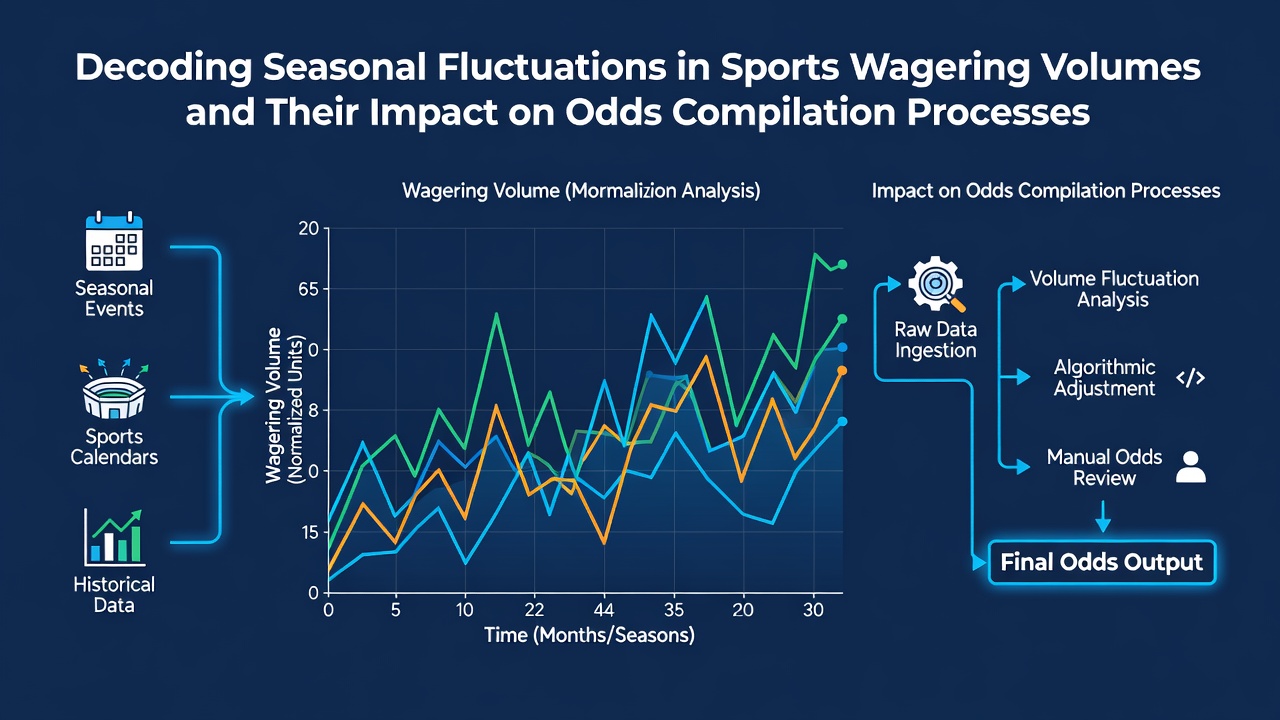
During quieter months, limited liquidity forces greater reliance on statistical projections and injury reports because fewer bets arrive to reveal market sentiment. Compilers therefore widen margins slightly to compensate for uncertainty, a practice documented in quarterly filings submitted to the Nevada Gaming Control Board. The same filings show that hold percentages for major sportsbooks decline by roughly 0.8 percentage points during peak seasons as competition for volume intensifies and operators trim vig to attract additional business.
Automated models now integrate real-time volume metrics alongside traditional variables such as team form and weather. When a sudden influx of wagers arrives on an underdog, algorithms flag the movement and recommend an immediate adjustment, reducing exposure before the line becomes unbalanced. Industry reports indicate that operators using these hybrid systems experience 12 to 15 percent fewer large losing positions during high-volume weekends compared with purely manual compilation methods.
Longer-Term Effects on Market Efficiency
Repeated seasonal cycles also shape long-term odds accuracy. Markets that experience consistent volume growth over multiple years tend to tighten around true probabilities more rapidly, as documented in a 2025 study published by the Journal of Gambling Studies examining five European leagues. The study found that closing lines in high-volume soccer competitions deviated from actual outcomes by an average of 2.1 percent less than lines in lower-volume competitions within the same countries.
Regulatory filings further reveal that jurisdictions with year-round sports calendars maintain more stable hold percentages across quarters, whereas markets dominated by single-sport seasons display greater quarterly variance. This stability allows operators to allocate risk capital more efficiently because they can forecast exposure ranges with higher confidence.
Conclusion
Seasonal fluctuations in sports wagering volumes directly shape the data environment in which odds are compiled, affecting line movement frequency, margin levels, and the speed at which new information enters pricing models. Reports from regulatory bodies in the United States, Australia, and Europe confirm that operators adapt their processes to these cycles by expanding model inputs during busy periods and tightening risk parameters when liquidity decreases. As additional jurisdictions legalize sports betting, the interaction between volume patterns and compilation techniques will continue to evolve, with September 2026 serving as one more data point in an ongoing series of seasonal adjustments.